New Age Festival
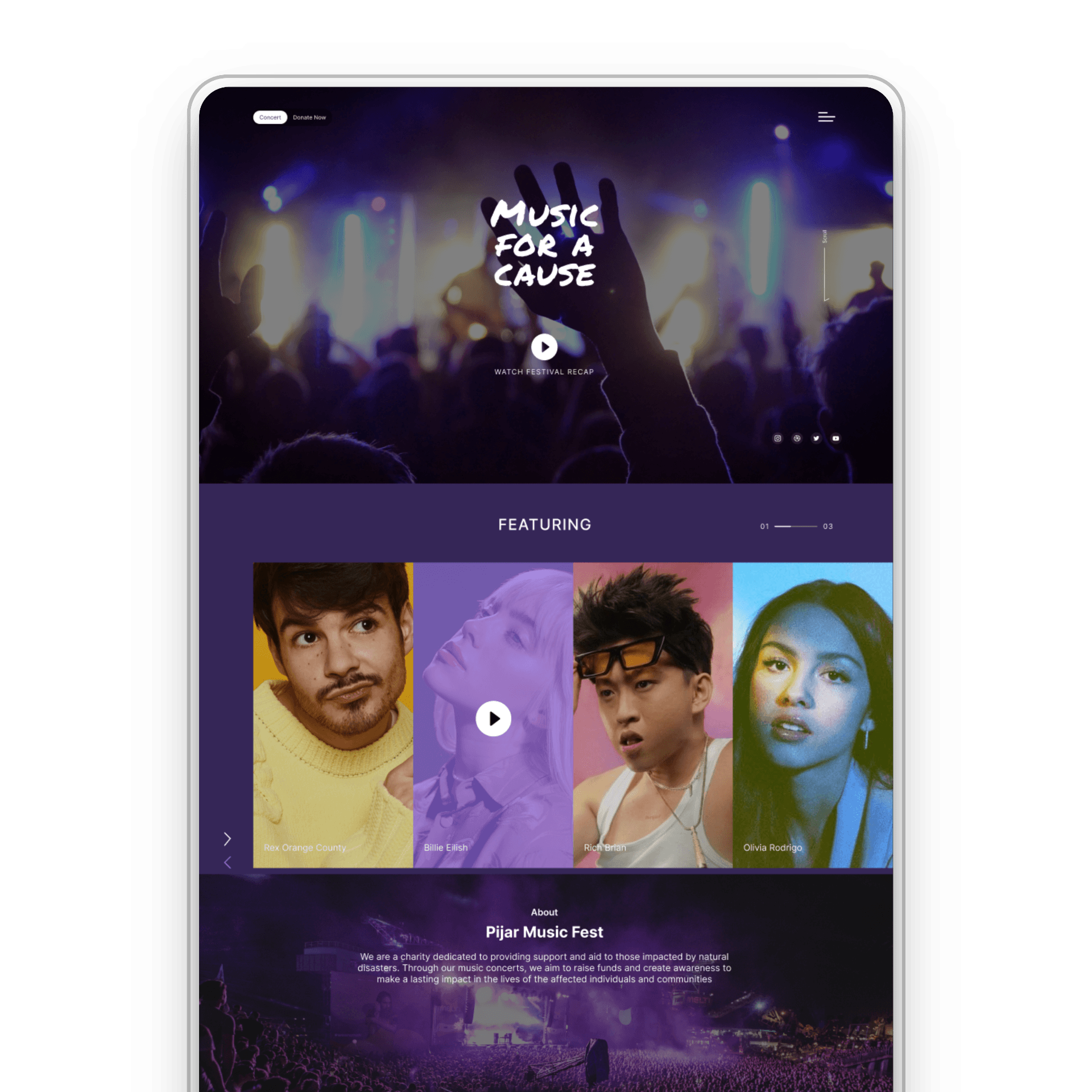
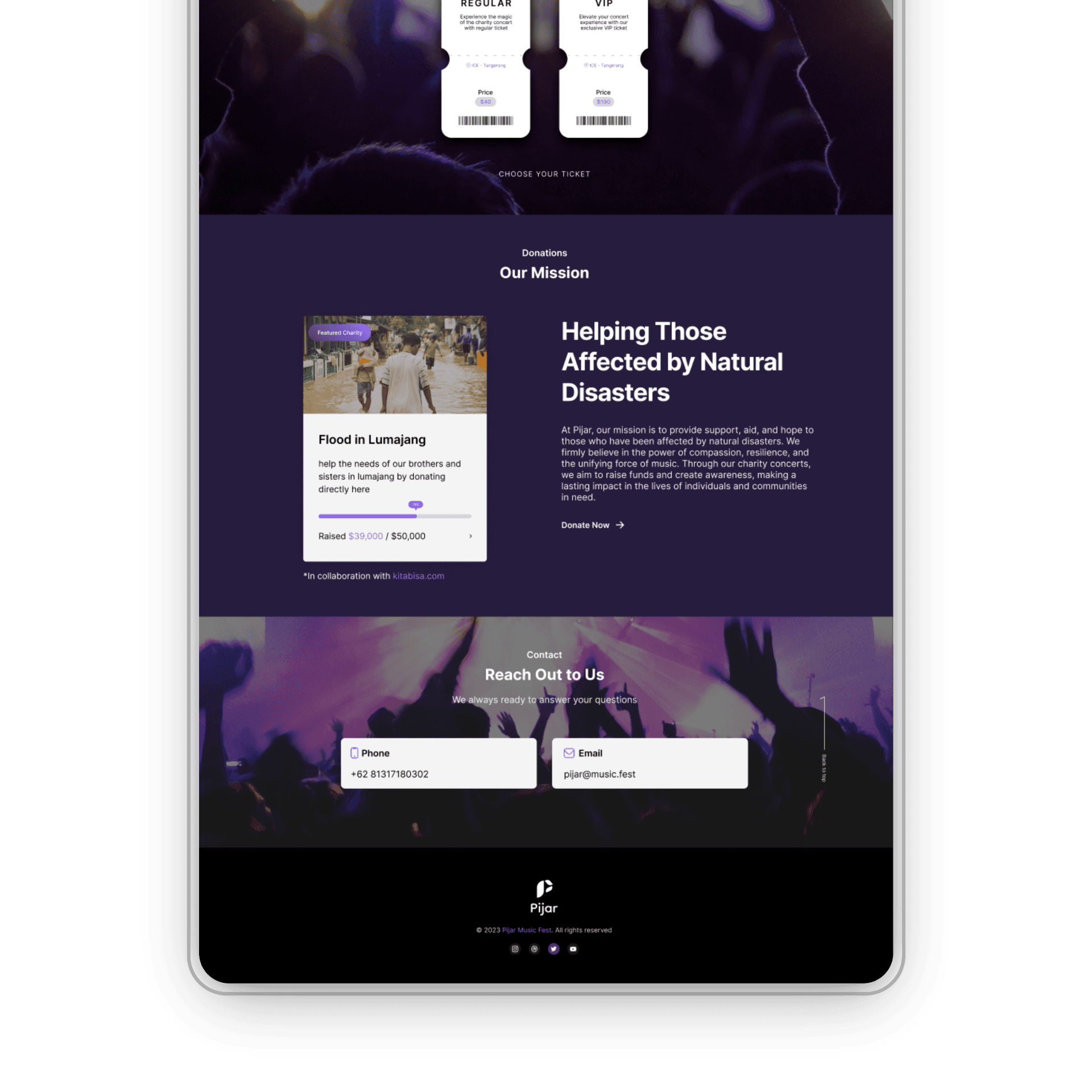
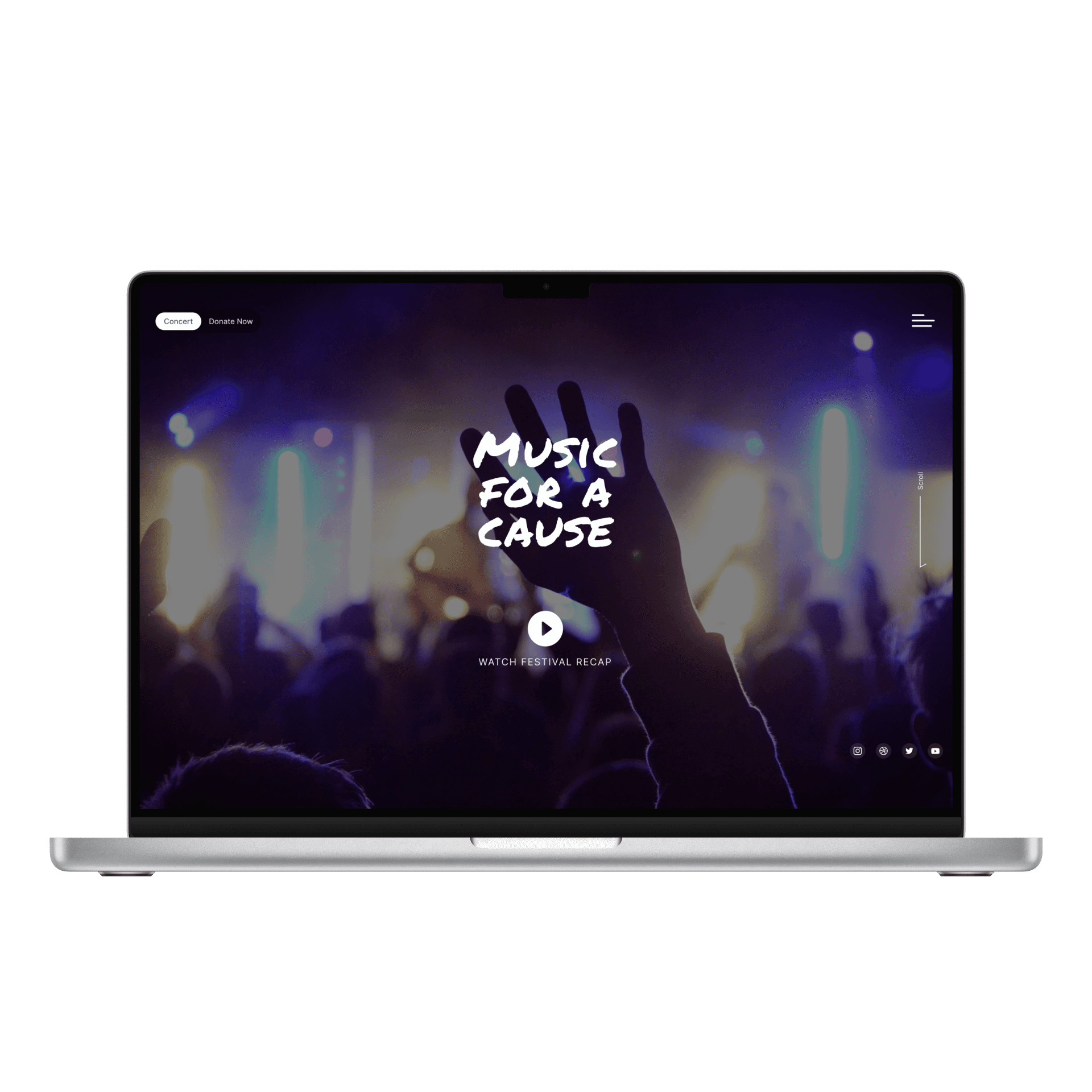
Festival page with tickets, event info, and bold visuals.


Project Overview
New Age Festival is a festival webpage designed to capture the energy and atmosphere of the event before a single ticket is purchased. The site needed to handle the practical — tickets, schedules, lineup information — while delivering the kind of bold, immersive visual experience that made visitors feel the festival was already happening. The design challenge was making utility and spectacle coexist without either compromising the other.
The Problem
Festival websites frequently split into two failure modes: sites so focused on ticket sales that they feel transactional and cold, or sites so visually ambitious that finding basic event information becomes a frustrating hunt. New Age Festival needed to be both — a visceral first impression and a genuinely useful event resource.
Key challenges going into the project:
Designing an information architecture that surfaced tickets, lineup, and schedules without flattening the visual energy
Creating a bold aesthetic that felt specific to New Age Festival rather than generic festival branding
Ensuring the experience held up across devices, where rich visuals often break down on mobile
Research & Discovery
I referenced a range of leading festival sites — Coachella, Primavera Sound, and Glastonbury — alongside editorial and editorial-adjacent web experiences to identify what separated genuinely immersive festival sites from forgettable ones. Claude was used to help map the information architecture early on, stress-testing the hierarchy of content and identifying which user needs — ticket purchasing, lineup browsing, schedule planning — needed to be resolved within the first scroll.
Two visitor types shaped the structural approach:
The Committed Attendee — already sold, needs fast access to tickets, schedules, and logistics
The Considering Visitor — needs to feel the festival before committing, driven by atmosphere and lineup
Design Decisions
Immersive hero experience — The landing section was designed as a full sensory statement, using bold typography, layered visuals, and motion to establish the festival's identity immediately. Adobe Photoshop was used to composite and treat the hero imagery — creating a visual atmosphere that felt like the festival rather than a photograph of it.
Motion as atmosphere — Scroll-driven animations and entrance transitions were built in Framer to give the page a sense of continuous energy. Motion was used to reveal content progressively, rewarding exploration rather than front-loading everything at once.
Clear information layers — Despite the visual ambition, the information architecture was kept deliberately straightforward. Tickets, lineup, schedule, and practical info each occupy distinct, clearly signposted sections. The boldness lives in the visual treatment of each section, not in the navigation. All layout exploration and the component system were built in Figma before motion was introduced in Framer.
Typography as identity — A strong typographic system carried much of the festival's personality, with display type used expressively across section headers. Claude helped refine all on-page copy — section headers, ticket CTAs, and artist descriptions — ensuring the voice stayed energetic and consistent throughout.
Key Challenges
The core tension was visual richness versus mobile performance. A page built around layered imagery, bold type, and scroll-driven motion is inherently at risk on mobile — where heavy assets load slowly and complex animations stutter. Every visual and motion decision was stress-tested in Framer across breakpoints, with simplified motion states and optimized image treatments applied for mobile without gutting the overall experience.
Outcomes & Reflection
The final design delivers a festival webpage that earns attention and holds it — bold enough to excite, structured enough to convert. The visual system creates a strong sense of identity for New Age Festival while keeping the practical information fast and easy to find.
Next steps would focus on testing the ticket purchase flow with real users to validate the conversion path, and exploring a countdown and announcement feature to keep the page feeling live and evolving in the lead-up to the event.