Nestify Furnitures
Furniture marketplace for affordable new & secondhand.



Project Overview
Nestify is a mobile-first furniture marketplace connecting buyers searching for curated, affordable secondhand pieces with sellers looking to rehome quality furniture. The core design challenge wasn't aesthetic — it was trust. Secondhand furniture shopping carries friction: uncertain quality, vague pricing, inconsistent listings. The goal was to make browsing feel as confident and enjoyable as a premium retail app, while serving the realities of a peer-to-peer marketplace.
The Problem
Existing options fall into two camps: overly transactional platforms like Facebook Marketplace (low trust, poor visual hierarchy) or premium retail apps like IKEA that don't support resale at all. There's a clear gap for a product that brings the visual quality of a premium shopping experience to secondhand furniture — without alienating casual sellers.
Key user pain points identified through competitive analysis:
Difficulty assessing item condition from low-quality listing photos
Inconsistent pricing with no reference point
No way to filter by interior style (users shop by aesthetic, not category)
Listing trust issues — no ratings, no accountability
Research & Discovery
I conducted a competitive audit across 5 platforms to map where peer-to-peer furniture buying breaks down, using Claude to synthesize findings and pressure-test two key personas:
The Nester — style-conscious, budget-limited. Shops by vibe, not specification.
The Rehomer — moving or downsizing. Wants a fast, simple listing flow without the chaos of Marketplace DMs.
From there I mapped the buyer journey end-to-end, identifying the highest-friction moments: the listing detail page, trust signals, and variant selection.
Design Decisions
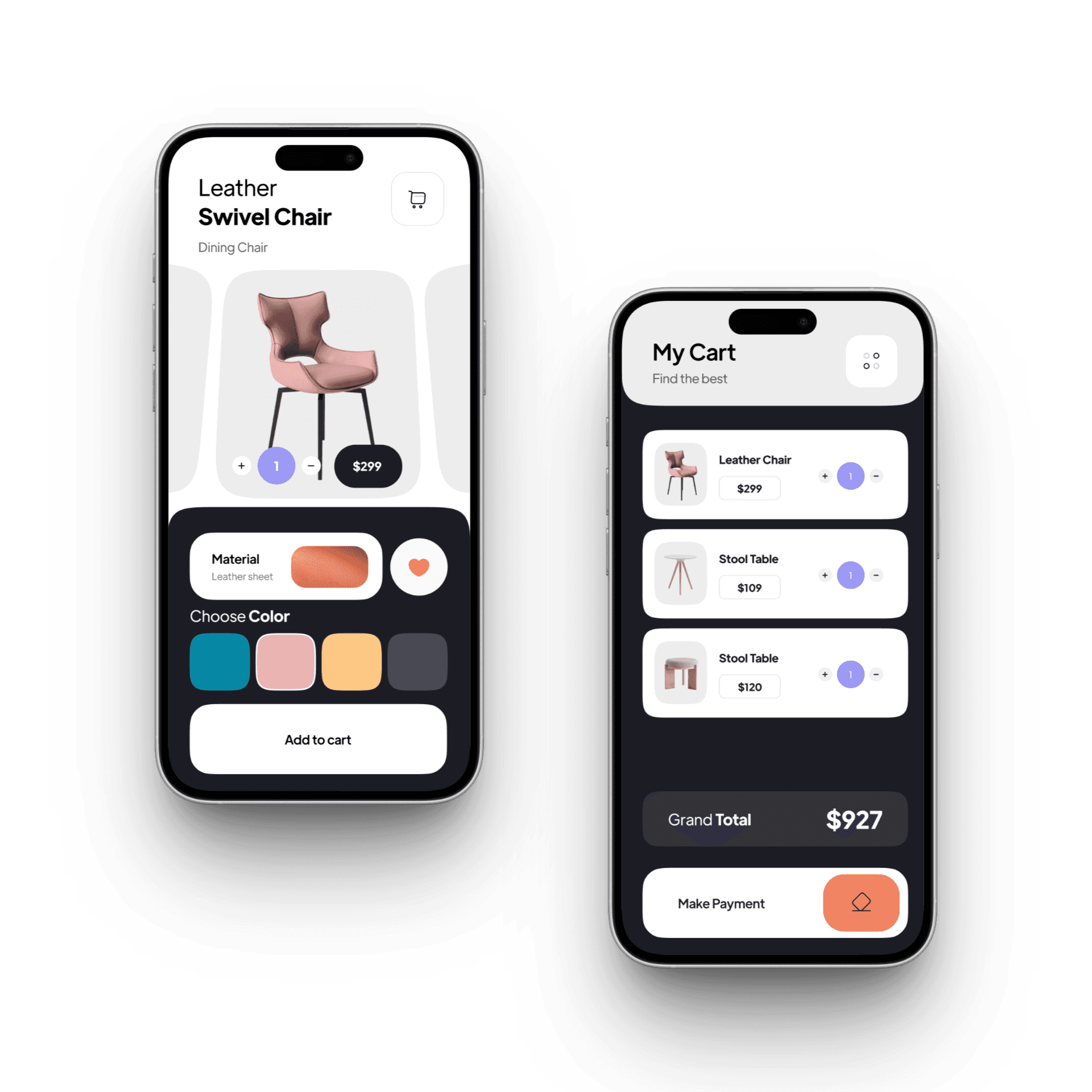
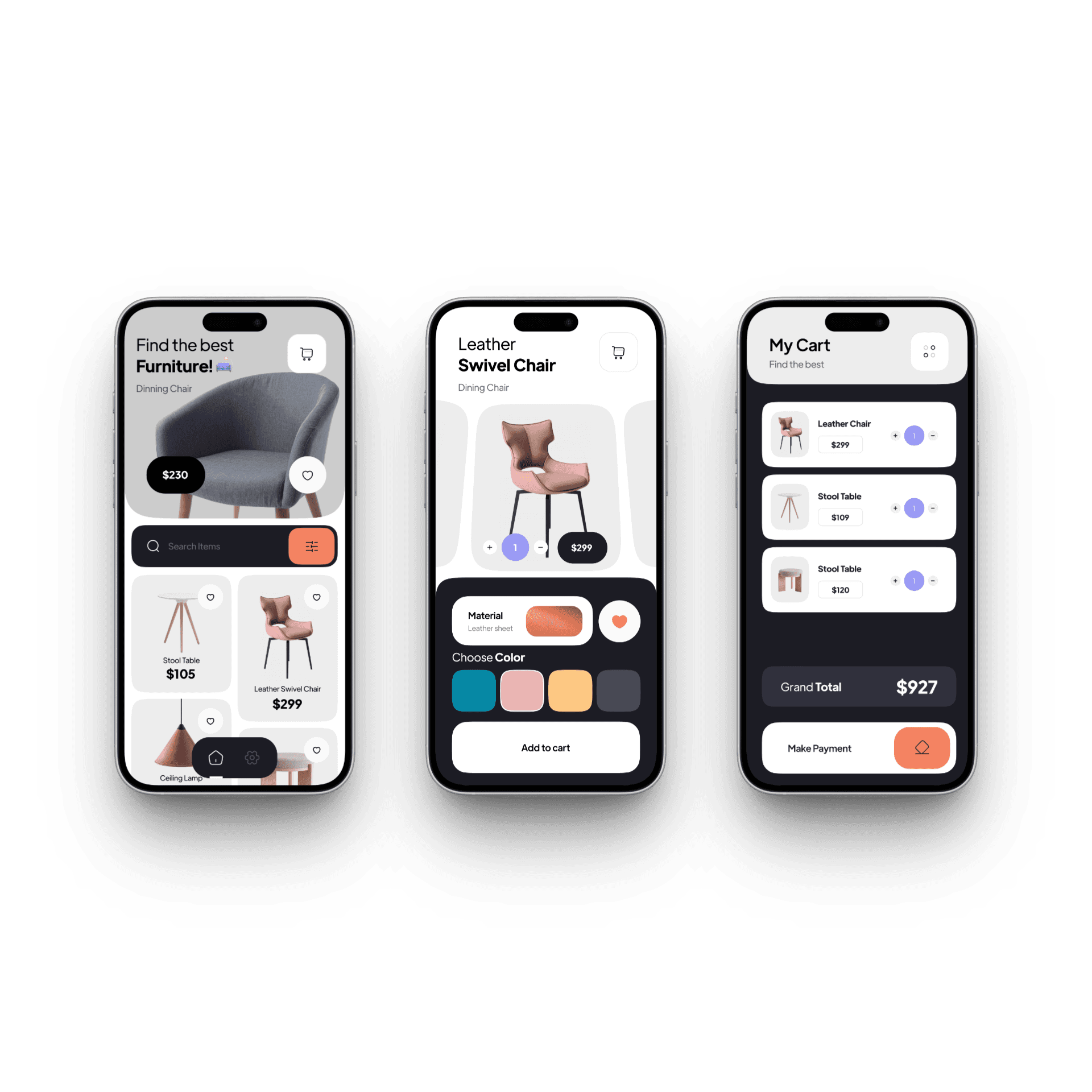
Style-first browsing — Nestify leads with aesthetic filters (Minimal, Japandi, Mid-Century, Industrial) rather than product categories, because users shop by feeling first. Icons were custom-drawn in Illustrator for visual consistency across screen densities.
Immersive listing pages — Full-bleed photography leads, with specs and seller info appearing progressively on scroll — mirroring the editorial references users already pull from Pinterest and Instagram.
Built-in trust layer — Verified badges, star ratings, and a visual condition scale (Like New / Good / Fair) make quality assessment instant. UX copy across these components was refined with Claude to keep the tone warm and clear.
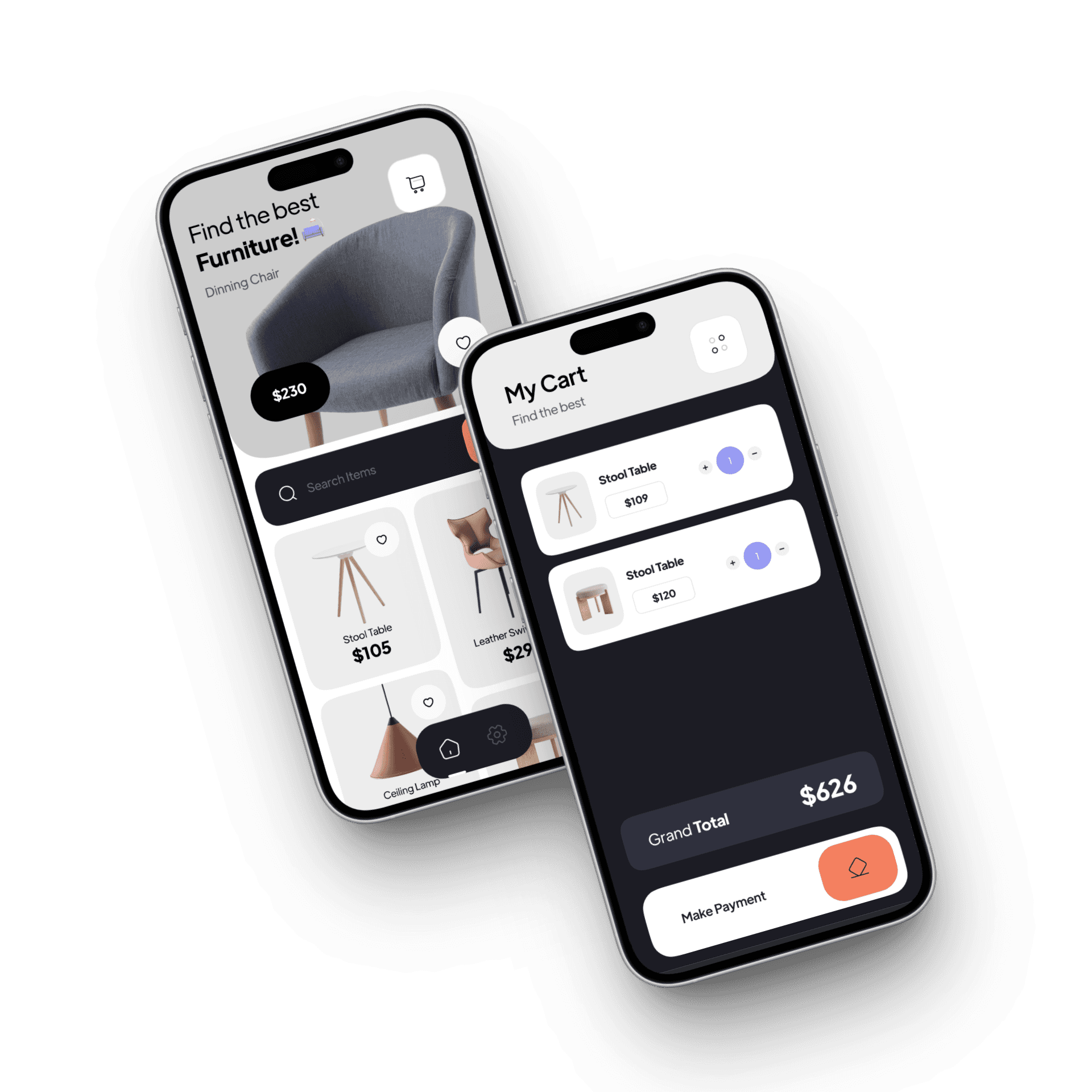
Quick-save and quick-add — Users can save or add to cart directly from the explore feed, reducing tap-depth for a core browsing use case from 4 steps to 1. All wireframing and the final design system were built in Figma.
Key Challenges
The toughest problem was layout consistency across listing quality — a professional seller might upload 6 studio shots; a casual rehomer might upload one blurry photo. The listing template was designed to gracefully degrade, using a neutral container and the condition indicator to set expectations regardless of photo quality.
Outcomes & Reflection
The final design delivers a browsing experience that feels closer to a curated editorial app than a classifieds board. The warm neutral palette (sand, clay, off-white) keeps visual focus on the furniture itself.
Next steps would prioritize the seller listing flow — where retention is truly won or lost in a marketplace — and A/B testing style-first vs. category-first navigation with real users.